Autonomy Restrained: Tesla Narrows Unsupervised FSD Scope to Q2 2027
Tesla has clarified that unsupervised driving in customer vehicles will initially be limited to specific Robotaxi service areas rather than offering unrestricted nationwide access.
By Mariana Delgado ·
The central tension in Tesla’s latest earnings call was the widening gap between the company’s decade-long marketing of its Full Self-Driving capabilities and the operational reality presented by its leadership. While investors have long anticipated a vehicle that can autonomously transport owners to any destination, the company’s AI chief outlined a more constrained initial rollout. This announcement effectively redefines the product promise, shifting from a universal software update to a limited operational service, creating significant friction between consumer expectations and the near-term deliverable.
The specific timeline provided for this restricted launch is the second quarter of 2027. During the Q3 2026 earnings call, Ashok Elluswamy, Tesla’s head of AI, stated that unsupervised FSD for customer-owned cars will become available in that period. This date responds to one of the most popular retail shareholder questions, which was backed by approximately 1.1 million shares. The response clarifies that the technology will not immediately allow owners to sleep in the back of their vehicles while traveling to arbitrary locations, a scenario that has been the primary sales pitch since 2016.
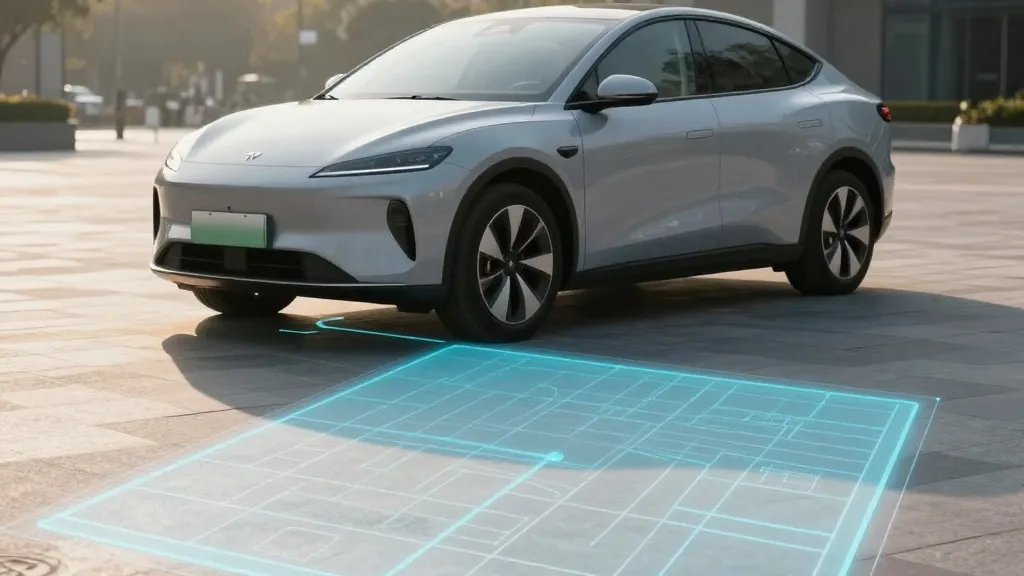
The individuals involved in shaping this strategy include Elon Musk, who has historically promised unsupervised personal use by the end of 2025, and Ashok Elluswamy, who now frames the next step as owners integrating their private vehicles into Tesla’s managed Robotaxi fleet. This distinction is critical. Rather than a car that drives anywhere, the vehicle will only operate unsupervised within the specific geographic zones where Tesla’s Robotaxi service is already active. This means the autonomy is tied to the company’s existing operational footprint rather than the car’s inherent capabilities.
The stakes are high for both shareholders and potential buyers, as the current operational footprint is narrow. Tesla’s Robotaxi service currently operates in six U.S. metropolitan areas, though the service areas often cover only small slices of these cities. For instance, the Miami zone primarily includes West Miami and limited areas toward Doral and Sweetwater. In the Bay Area, the service is not fully unsupervised due to California regulations requiring safety drivers, a requirement Tesla has not yet waived. The fleet size remains modest, with third-party trackers noting only dozens of fully driverless vehicles on the road, a fraction of the hundreds of thousands Musk has previously cited.
This limited scope contrasts sharply with the broader promises made to hardware version 3 owners, who have been informed their current computers cannot run unsupervised FSD without a clear upgrade path. The new target of Q2 2027 represents a narrower product: a car that joins Tesla’s fleet within Tesla’s zones, on Tesla’s terms. This excludes highway road trips and cross-town commutes, limiting the utility to those living and working within the designated geofences. The announcement underscores that while the technology is advancing, the deployment strategy remains cautious, prioritizing safety and managed operations over immediate, widespread consumer autonomy.
Source: Electrek